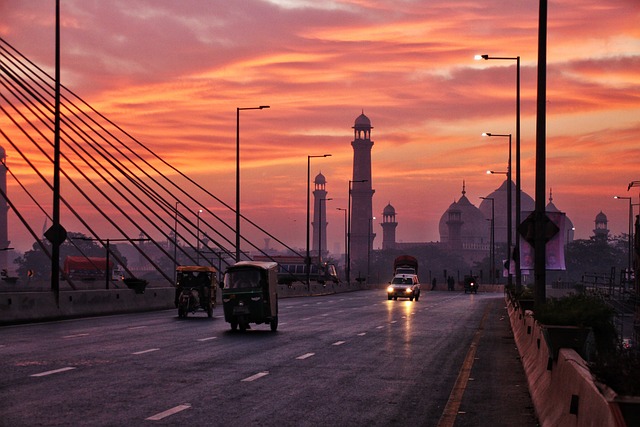
Lahore's vibrant mix of history, education, and economics creates complex traffic patterns, notably during peak hours near universities and markets. To navigate effectively: leverage real-time traffic apps, plan ahead for infrastructure projects, explore alternative routes or public transport. Alleviating congestion requires: encouraging public transit, enhancing BRT systems, promoting digital platforms for local artisans, optimizing signal timings, implementing congestion pricing, collaborating between institutions and government. Smart transportation planning can reduce congestion by up to 30%. Integrate sustainable practices, leverage cultural tapestry through apps, innovate solutions from social enterprises to create a livable, sustainable Lahore.
Navigating traffic congestion in Lahore has become an increasingly complex challenge, impacting the city’s livability and economic growth. With a population boom and rapid urbanization, the roads of Lahore are often choked, leading to prolonged travel times and increased pollution. This article delves into best practices designed to alleviate these issues, offering practical solutions for both urban planners and residents. We explore innovative strategies that have proven effective in managing traffic flow, enhancing public transportation, and promoting sustainable mobility options tailored to the unique context of Lahore. By adopting these approaches, we aim to provide genuine value, helping to transform Lahore into a more manageable and vibrant metropolis.
- Understanding Lahore's Traffic Patterns for Efficient Navigation
- Practical Strategies to Reduce Congestion in Heavy Urban Areas
- Utilizing Smart Transport Solutions for a Seamless Journey in Lahore
Understanding Lahore's Traffic Patterns for Efficient Navigation

Lahore, a vibrant metropolis with a rich historical tapestry woven into its modern economic landscape, presents unique challenges when it comes to navigating traffic congestion. Understanding the city’s intricate traffic patterns is crucial for efficient travel within this bustling urban center. The diverse nature of Lahore’s attractions—from its renowned educational institutions in lahore to historic sites, culinary tourism experiences, and thriving art and craft industries—means that congestion can vary greatly depending on the time of day and local events.
During peak hours, the main thoroughfares leading to and from commercial hubs like the business district or popular markets often experience significant traffic build-up. For instance, the busy intersection near the Lahore College for Women University, a prominent educational institution in lahore, tends to be congested during drop-off and pick-up times due to the high volume of student traffic. Similarly, areas surrounding cultural landmarks like the Badshahni Mosque or the Lahore Fort attract tourists year-round, leading to increased vehicular activity.
To navigate these patterns effectively, residents and visitors alike should consider leveraging real-time traffic apps tailored for Lahore’s unique needs. These tools can provide valuable insights into current congestion levels, allowing users to choose alternative routes. Additionally, being mindful of the economic landscape of lahore—with its burgeoning industries and expanding infrastructure projects—can help travelers plan ahead. For instance, construction activities on major roads might cause temporary diversions or delays, so staying informed ensures a smoother commute. Exploring less congested routes, utilizing public transport, or even carpooling can be effective strategies to minimize frustration during peak hours.
Practical Strategies to Reduce Congestion in Heavy Urban Areas
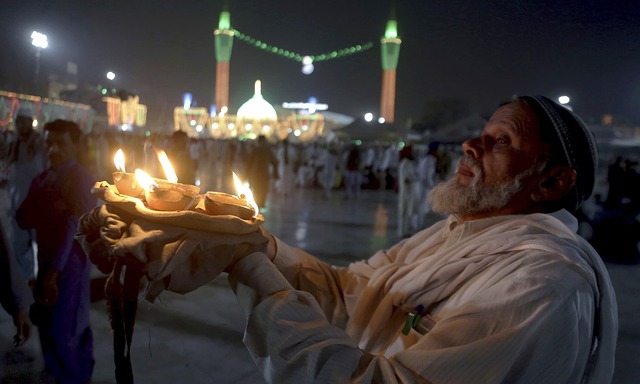
Lahore, known for its vibrant cultural events like book fairs and festivals, as well as its rich textile art scene, faces significant traffic congestion, particularly during peak hours. To mitigate this challenge, several practical strategies can be employed to reduce congestion in heavy urban areas. One effective approach is to encourage public transportation use through improved infrastructure and incentives. Enhancing bus rapid transit (BRT) systems and introducing dedicated bike lanes can offer efficient alternatives to private vehicles, thereby decreasing road clutter.
Moreover, events that once relied heavily on traffic for local artisans and their goods can now explore digital platforms to showcase and sell their textile art, reducing the need for lengthy commutes. This strategy not only helps in traffic congestion relief but also empowers local artisans by connecting them to a broader market. Another key initiative involves optimizing traffic signal timings based on real-time data, ensuring that signals adapt to changing traffic patterns. This smart city approach can significantly streamline flow and reduce wait times.
Furthermore, educational institutions in Lahore can play a pivotal role through collaborative efforts with the local government. Implementing congestion pricing models during peak events, like book fairs or festivals, can discourage non-essential travel, while directing event attendees to utilize public transport or designated drop-off zones. By integrating these strategies into the economic landscape of Lahore, substantial improvements in traffic flow can be achieved, making the city a more livable and enjoyable place for its residents and visitors alike. For instance, data from recent studies suggests that cities that have adopted smart transportation planning see up to 30% reduction in congestion-related delays.
Utilizing Smart Transport Solutions for a Seamless Journey in Lahore
Navigating traffic congestion in Lahore presents unique challenges given the city’s vibrant economic landscape and bustling social scene, home to prominent educational institutions and thriving social enterprises. Promoting traditional crafts in Lahore and sustainability initiatives are integral parts of the urban fabric, but these also contribute to traffic jams. Smart transport solutions offer a promising game-changer for a seamless journey within the city.
Implementing technology-driven approaches can significantly enhance mobility. For instance, real-time traffic data analysis enables authorities to optimize signal timings, reducing congestion hotspots. Smart apps that provide live updates on public transport schedules and road conditions empower residents and visitors alike to plan their journeys efficiently. These solutions not only save time but also promote environmental sustainability by encouraging the use of public transit. Lahore’s diverse cultural tapestry can be leveraged through transport apps that highlight local attractions, fostering a deeper connection with the city for both locals and tourists.
Moreover, integrating sustainable initiatives into smart transport plans is crucial. Electric bus fleets and bike-sharing programs, already successful in other cities worldwide, could transform urban commuting in Lahore. These eco-friendly options not only reduce carbon emissions but also contribute to the economic landscape by supporting local businesses related to green technologies. Educational institutions in Lahore can play a pivotal role in promoting these sustainable practices through awareness campaigns and community engagement initiatives.
As we look towards fostering a more livable and sustainable Lahore, it’s essential to explore innovative solutions that cater to all segments of society. For instance, social enterprises specializing in smart city technology and urban planning can contribute valuable insights and solutions. Visiting us at Textile Art of Lahore offers a unique perspective on the city’s cultural heritage, while also showcasing how traditional crafts can be seamlessly integrated into modern urban design and transportation plans. Together, these efforts will transform congestion into a manageable aspect of urban life, ensuring a bright future for the city and its diverse community.
By understanding Lahore’s unique traffic patterns, residents and commuters can significantly enhance their navigation skills during peak hours. Implementing practical strategies such as dynamic route planning and adopting shared mobility options can substantially reduce congestion in heavily populated urban areas like Lahore. Additionally, embracing smart transport solutions—including digital trip planning tools and efficient public transit systems—is crucial for creating a seamless journey across the city. These integrated approaches not only alleviate traffic stress but also position Lahore as a model for sustainable urban mobility, ensuring a more livable and efficient future for its inhabitants.