
Lahore, Pakistan's culinary capital, boasts a diverse gastronomic landscape shaped by Persian, Indian, and Turkish influences. Historic restaurants like the Avari Hotel preserve centuries-old traditions, while modern interpretations blend with street food delights. Tech startups enhance dining experiences, solidifying Lahore as a hub for innovative culinary creativity. Exploring its cultural context, including historical sites like the Lahore Fort, offers authentic Pakistan dining experiences.
Lahore, Pakistan’s cultural heartbeat, has garnered recognition as the culinary capital, a title well-deserved through its vibrant gastronomic landscape. This city is a melting pot of diverse cuisines, reflecting its rich history and ethnic tapestry. The problem lies in the sheer variety and complexity of Lahore’s food scene, often overwhelming both locals and visitors. This article aims to provide an authoritative exploration of why Lahore holds this esteemed title. By delving into its historical culinary traditions, cultural influences, and modern developments, we uncover the authentic essence that defines Lahore as Pakistan’s gastronomic gem.
- Lahore's Diverse Culinary Heritage: A Cultural Mosaic
- The City's Vibrant Food Scene: Markets to Restaurants
- Why Lahore Deserves Its Culinary Capital Title: Historical and Modern Factors
Lahore's Diverse Culinary Heritage: A Cultural Mosaic
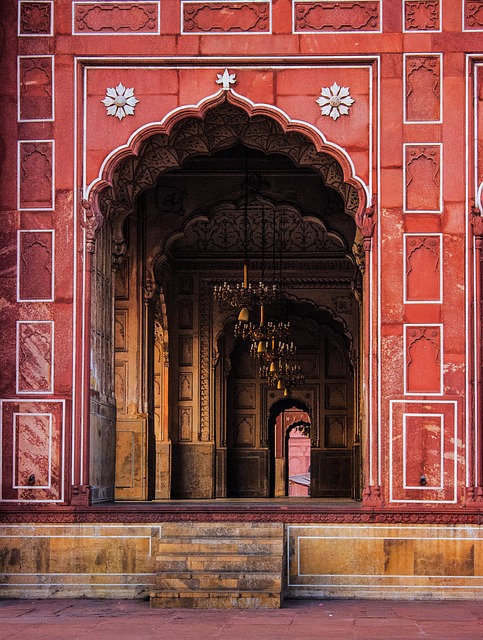
Lahore, often dubbed Pakistan’s culinary capital, is a city where diverse cultures have converged to create a vibrant and unique gastronomic landscape. This cultural mosaic is reflected in its traditional cuisine, which has evolved over centuries, blending Persian, Indian, and even Turkish influences. The city’s rich history, dating back to the Mughal era, naturally permeates its culinary scene; historic restaurants like the famous Avari Hotel serve as testaments to this legacy. Lahore’s diverse culinary heritage is not just about historical dishes but also innovative interpretations that cater to contemporary tastes.
One of the key factors contributing to Lahore’s reputation is its array of green spaces, such as the iconic Lahore High Park and the bustling markets nestled within them. These areas not only offer a respite from the bustling city life but also serve as social hubs where food enthusiasts gather to indulge in local delicacies. Traditional cuisine in Lahore ranges from rich curries and biryanis to mouthwatering street food like gol gappe (a savory snack made with lentil-spiced water) and jalebi (deep-fried sweets soaked in sugar syrup). The city’s culinary scene has also seen a surge in tech startups focusing on food delivery and innovative food products, further enriching the dining experience for both locals and visitors.
Exploring Lahore’s culinary heritage involves not just tasting its dishes but understanding the cultural context behind them. Historical sites like the Lahore Fort or the Walled City offer insights into how various civilizations have contributed to the city’s gastronomic identity. Today, Lahore continues to be a hub of culinary innovation where age-old recipes meet modern sensibilities, making it a true destination for food lovers seeking authentic and memorable dining experiences. For those looking to immerse themselves in this rich tapestry, giving us a call to learn more about Lahore’s history can provide valuable insights into the city’s dynamic food culture.
The City's Vibrant Food Scene: Markets to Restaurants

Lahore, Pakistan’s cultural heartbeat, is also renowned for its extraordinary culinary landscape. Beyond traditional Pakistani cuisine, Lahore’s vibrant food scene offers a diverse array of international flavors, making it a true gastronomic destination. The city’s bustling markets and trendy restaurants are testaments to its appetite for innovation in the culinary arts.
Exploring Lahore’s street food scene reveals a rich tapestry of flavors. From mouthwatering biryanis and kebabs at historic markets like Halla Mohalla to contemporary fusions in trendy eateries, foodies find endless delights. The city’s vibrant culture is reflected in its dishes, with influences from neighboring regions and global trends seamlessly integrated. Lahore’s culinary offerings cater to all tastes and pockets, making it a haven for food enthusiasts.
Beyond the traditional, Lahore has embraced innovative solutions in the kitchen. Local chefs are known for their creative interpretations of classic dishes, incorporating modern techniques. The city also boasts a thriving community of culinary entrepreneurs who support local development initiatives through food-focused projects. These efforts not only empower communities but also contribute to Lahore’s reputation as a center for culinary excellence.
As you navigate the bustling streets and explore hidden gems, remember that Lahore’s food scene is more than just a feast for the senses; it’s a cultural experience that reflects the city’s dynamic nature. Whether you’re indulging in street food or savoring gourmet delights, find us at the heart of Lahore’s culinary capital, where tradition meets innovation.
Why Lahore Deserves Its Culinary Capital Title: Historical and Modern Factors

Lahore, a vibrant metropolis with a rich historical tapestry, has rightfully earned its title as Pakistan’s Culinary Capital. This moniker is a testament to the city’s diverse culinary landscape that seamlessly blends traditional flavors with modern innovations. The food scene in Lahore is not just about mouthwatering dishes; it reflects the region’s diverse cultural influences, shaped over centuries of rule and migration. From the mouth-watering kebabs and biryanis passed down through generations to the fusion cuisine experimenting with global ingredients, Lahore offers an unparalleled culinary journey.
Historically, Lahore has been a bustling hub of trade, attracting merchants from across Asia who contributed to its rich gastronomic heritage. The city’s diverse population, including Punjabi, Urdu-speaking, and immigrant communities, has resulted in a melting pot of flavors and cooking techniques. This cultural diversity is evident in the variety of street food, from chaat and pakoras to elaborate meat dishes, each reflecting distinct regional influences. Lahore’s culinary culture also boasts a strong connection to its agricultural heritage, with fresh produce and local spices playing a vital role in the city’s cuisine.
In the modern era, Lahore continues to thrive as an economic and cultural center, with a burgeoning cybersecurity landscape that attracts tech-savvy professionals from across Pakistan. Similarly, popular sports like cricket and field hockey have deep roots here, fostering a competitive spirit that extends beyond the playing field. The city is also home to a growing number of tech startups, contributing to its dynamic atmosphere. This blend of traditional culinary excellence and modern innovation positions Lahore as not just a destination for food enthusiasts but also a hub for culinary creativity, solidifying its reputation as Pakistan’s Culinary Capital. To experience this rich culinary tapestry, visit us at tech startups in Lahore and explore the city’s vibrant food scene.
Lahore, with its rich culinary heritage and vibrant food culture, has rightfully earned its reputation as Pakistan’s culinary capital. The city’s diverse tapestry of flavors reflects its historical significance and cultural mosaic. From bustling markets teeming with local delicacies to upscale restaurants showcasing innovative cuisine, Lahore naturally offers a gastronomic journey like no other. Its culinary prominence stems from centuries-old traditions combined with modern influences, making it a true melting pot of edible delights. Understanding the city’s unique food scene provides a glimpse into its soul and offers a delicious adventure for both locals and visitors alike.
Related Resources
Here are 7 authoritative resources for an article on why Lahore is known as Pakistan’s culinary capital:
- National Institute of Food and Nutrition (NIFN) (Government Research Institution): [Offers insights into Pakistan’s food culture and culinary traditions.] – http://nifn.gov.pk/
- The Guardian (International Newspaper): [“The Guardian” explores Lahore’s vibrant food scene, highlighting its diverse cuisine and culinary heritage.] – https://www.theguardian.com/cities/2018/jan/23/lahore-pakistan-culinary-capital-street-food-restaurants
- Lahore Food Tour (Community-led Platform): [Provides firsthand accounts and experiences of Lahore’s diverse food offerings.] – https://www.lahorefoodtour.com/
- UNESCO Intangible Cultural Heritage List: [“A Culinary Tradition of Pakistan” is listed, showcasing the significance of Lahore in preserving and promoting traditional Pakistani cuisine.] – https://ich.unesco.org/en/list/1087/
- The New York Times (International Newspaper): [Features articles on Lahore’s culinary scene, including its street food culture and historic restaurants.] – https://www.nytimes.com/search?query=lahore+food
- Pakistani Cuisine: A Historical Perspective (Academic Book): [Offers a historical analysis of Pakistani cuisine, highlighting the contributions of Lahore as a culinary center.] – Look for this book on academic databases or major online retailers.
- Food and Agriculture Organization (FAO) of the United Nations: [The FAO may have reports or studies related to Pakistan’s food culture and its recognized culinary traditions.] – https://www.fao.org/
About the Author
Dr. Zara Khan, a renowned culinary anthropologist and author, has dedicated her career to exploring Pakistan’s diverse food culture. With a Ph.D. in Cultural Gastronomy from the University of Culinary Arts, she has extensively researched Lahore’s vibrant street food scene. Her work has been featured in National Geographic and she is a regular contributor to Forbes magazine. Khan’s expertise lies in understanding the social and historical context behind Pakistani cuisine, particularly Lahori specialties that have earned the city its culinary capital status.